Classic Martini Recipe (Stirred, Ice-Cold, Perfect)
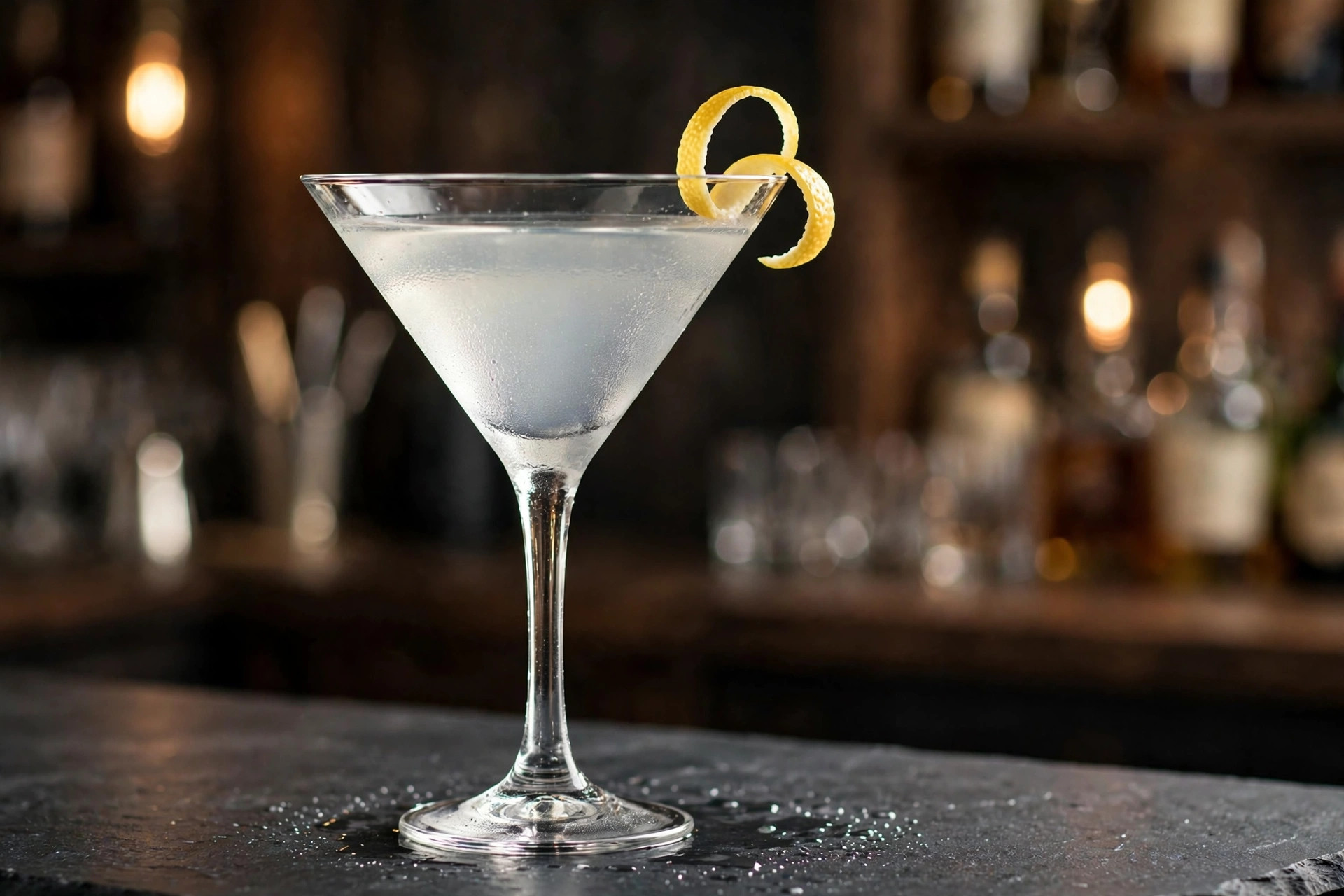
The martini is the simplest cocktail in the world and the easiest one to get wrong. Two ingredients, one technique, zero forgiveness. But when it is right – gin or vodka, dry vermouth, stirred ice-cold and strained into a frosty glass – there is nothing more elegant in a glass.
Prep time: 3 mins | Cook time: 0 mins | Total time: 3 mins | Servings: 1 cocktail | Calories: ~180
Why You’ll Love This Recipe
- Foolproof technique — stir, don’t guess.
- The perfect classic ratio (5:1), with guidance for drier or wetter.
- Gin or vodka, olive or twist — pick your lane.
- Ready in 3 minutes.
Ingredients
- 2 1/2 oz (5 tbsp) London dry gin (or vodka, if you prefer)
- 1/2 oz (1 tbsp) dry vermouth
- Plenty of ice
- Garnish: a strip of lemon peel (for a twist) or 1-2 pitted green olives
Equipment
- Martini glass or coupe; mixing glass (a pint glass works); long bar spoon; strainer
Instructions
Chill your glass
Freeze 15 minutes ahead, or fill with ice water while you work and dump before straining.
Combine
Fill a mixing glass two-thirds full with fresh ice; add gin (or vodka) and vermouth.
Stir, don’t shake
Stir in smooth circles for 30 seconds until ice-cold and silky.
Strain
Into the chilled glass — no ice travels.
Garnish
Twist a 2-inch lemon peel over the glass to express oils and drop it in; or drop in 1-2 olives. Serve immediately.
Why Stirring Beats Shaking
Stirring chills and dilutes gently, keeping the drink silky and crystal-clear. Shaking adds aeration — cloudiness and ice shards. Thirty seconds of stirring drops the temperature with controlled dilution. That is the entire technique.
Choosing Your Martini
Gin vs. vodka
Gin is the original — botanical, complex. Vodka is smoother and more neutral.
Dry vs. wet
5:1 is the modern classic. Drier: less vermouth or an “in-and-out” rinse. Wetter: 3:1 or 2:1.
Olive vs. twist
Olives bring savory brine; a lemon twist brings bright citrus oils. Dirty martini: add 1-2 tsp olive brine.
Expert Tips
Cold is everything
Chill the glass, use lots of ice, serve immediately.
Use fresh vermouth
Refrigerate after opening, use within 1-2 months.
Measure with a jigger
2 1/2 oz spirit, 1/2 oz vermouth.
Use gin or vodka you would drink straight.
Don’t over-dilute
30 seconds of steady stirring.
Variations
Dirty Martini
Add 1-2 tsp olive brine; garnish with olives.
Vesper
3 oz gin, 1 oz vodka, 1/2 oz dry vermouth; lemon twist.
Gibson
Classic recipe, garnished with cocktail onions.
Perfect Martini
1/4 oz dry + 1/4 oz sweet vermouth with 2 1/2 oz gin; orange twist.
Espresso Martini
Vodka, espresso, coffee liqueur, shaken hard — a different animal.
Frequently Asked Questions
What is the classic martini ratio?
The modern classic is 5:1.
Should a martini be shaken or stirred?
Stirred — shaking makes it cloudy.
Can I make a martini with vodka?
Absolutely — smoother, same ratio and technique.
How do I make a dirty martini?
Add 1-2 tsp olive brine before stirring.
What glass?
A V-shaped martini glass or coupe, chilled first.
Master the stir, chill the glass, and you will never order a bad martini again. Team olive, or team twist?
Martini Ratios, Explained
The ratio of gin or vodka to vermouth is where personal taste takes over. There is no single correct answer — only the version you like best.
Dry (5:1)
Five parts gin to one part dry vermouth. This is the classic modern dry martini — spirit-forward, crisp, and clean. Most cocktail bars pour this as their default.
Wet (3:1)
Three parts gin to one part vermouth. The extra vermouth rounds out the drink and lets its herbal character shine. If you have a vermouth you genuinely enjoy drinking, this is the ratio that shows it off.
Bone Dry
Barely any vermouth at all — a whisper, or in the old joke, just waving the bottle over the glass. All spirit, all bite. Not for beginners, and honestly a waste of good vermouth.
The 50/50
Equal parts gin and vermouth. Once considered old-fashioned, this ratio has made a serious comeback among bartenders because it is balanced, aromatic, and lets both ingredients speak.
The Garnish Guide
Olive
The classic. Use good-quality olives — Castelvetrano or Spanish — and never the canned black kind. One or three olives is traditional; two is considered bad luck by the superstitious. A splash of the olive brine makes it a Dirty Martini.
Lemon Twist
A strip of lemon peel, expressed over the glass to release its oils, then dropped in. It brightens the whole drink and pairs especially well with citrus-forward gins. No pith — it turns bitter.
Cocktail Onion (Gibson)
Swap the olive for a pickled cocktail onion and your martini becomes a Gibson. Savory, sharp, and a little old-school — it is the drink order of someone who knows exactly what they want.
Mistakes That Ruin a Martini
Using a Warm Glass
A martini warms up fast, and a warm glass starts you behind. Chill your coupe or Nick & Nora in the freezer for at least 15 minutes before pouring. This single step makes more difference than any ingredient upgrade.
Skimping on Vermouth
Vermouth is wine — it oxidizes. If your bottle has been open for months, it is flat and tired, and your martini will taste like it. Buy small bottles, refrigerate after opening, and replace every month or two.
Over-Diluting
Stirring is about controlled dilution, not melting the ice. Stir for 20 to 30 seconds until the mixing glass frosts over, then strain immediately. Stirring for a full minute leaves you with a watery, sad drink.
More Martini Variations
Dirty Martini
Add a quarter to a half ounce of olive brine to the classic recipe. The result is savory, silky, and deeply satisfying — the martini for people who find the classic a touch austere.
Vodka Martini
Same build, vodka instead of gin. Smoother and more neutral, which lets the vermouth and garnish take the lead. Stir it — the “shaken, not stirred” line makes great cinema, but shaking bruises the spirit and clouds the drink.
Should a martini be shaken or stirred?
Stirred. Shaking introduces air bubbles and tiny ice shards that cloud the drink and dull its silky texture. Stirring chills and dilutes with precision, keeping the martini crystal clear. Reserve shaking for cocktails with juice, egg white, or cream that need aeration.
What is the best gin for a martini?
It depends on your style. London Dry gins (juniper-forward, crisp) are the classic choice. If you prefer something softer, try a contemporary gin with citrus or floral notes. The honest answer: use the gin you enjoy drinking neat, because a martini is mostly gin.
How long does an open bottle of vermouth last?
About one to two months in the refrigerator. Vermouth is aromatized wine, so it oxidizes like wine once opened. Write the open date on the label, keep it cold, and buy the 375ml bottles if you make martinis only occasionally.
Related:
Easy Butter Chicken Recipe (Creamy, Better Than Takeout)
Easy Taco Soup Recipe (One Pot, 35 Minutes)
Classic Aperol Spritz Recipe (The Perfect 3-2-1 Ratio)
Classic Old Fashioned Recipe (Perfect Bourbon Cocktail Every Time)
Ingredients
Method
- Chill your glass: freeze 15 minutes ahead, or fill with ice water while you work and dump before straining.
- Combine: fill a mixing glass two-thirds full with fresh ice; add gin (or vodka) and vermouth.
- Stir, don’t shake: stir in smooth circles for 30 seconds until ice-cold and silky.
- Strain into the chilled glass — no ice travels.
- Garnish: twist a 2-inch lemon peel over the glass to express oils and drop it in; or drop in 1-2 olives. Serve immediately.