
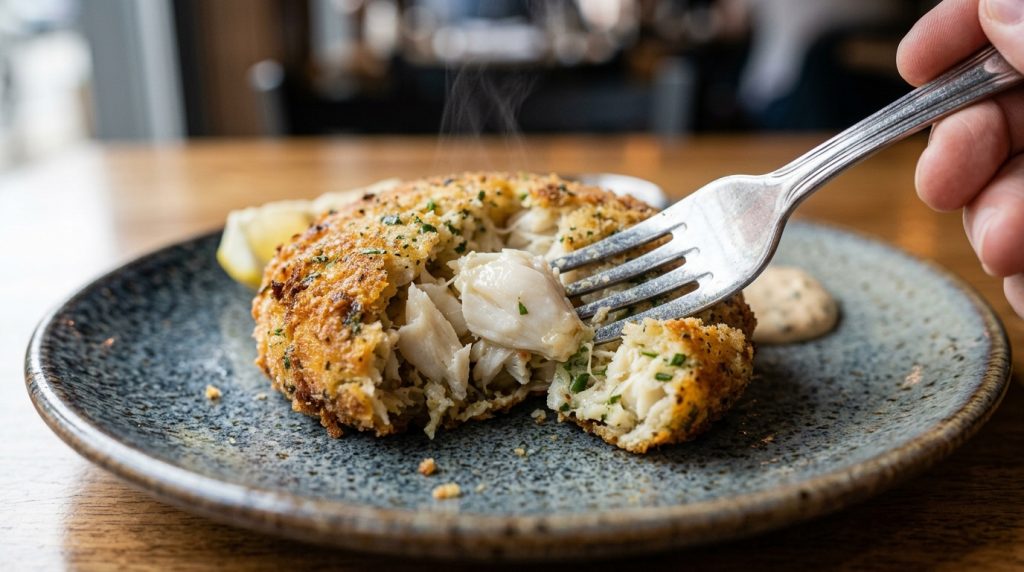
Maryland Style Jumbo Lump Crab Cakes with Homemade Remoulade
Finding the perfect crab cake is often a quest for the holy grail of coastal cuisine. If you have ever sat at a seaside bistro in Maryland or the Gulf Coast, you know the specific joy of a crab cake that is nearly all meat, held together by the sheer will of a light binder and seasoned with just enough spice to enhance—not mask—the delicate sweetness of the ocean. This recipe is designed to replicate that exact experience in your own kitchen. We are moving away from the “bread-heavy” patties often found in frozen aisles and focusing on the buttery, flaky texture of jumbo lump crab meat. Whether you are planning a sophisticated dinner party or a quiet Friday night treat, these cakes offer a restaurant-quality result with surprisingly little effort.
The secret to a truly spectacular crab cake lies in the restraint of the chef. Many recipes overwork the delicate meat or drown it in heavy fillers like crackers or thick breadcrumbs. Here, we use a minimalist approach, ensuring every bite is packed with succulent seafood. We will explore the nuances of choosing the right grade of crab, the science behind the perfect sear, and how to whip up a tangy remoulade that cuts through the richness of the butter-basted cakes. Get ready to master a dish that is crispy on the outside, tender on the inside, and undeniably gourmet.
| Feature | Details |
|---|---|
| Recipe Name | Maryland Style Jumbo Lump Crab Cakes |
| Cuisine | American (Coastal/Mid-Atlantic) |
| Course | Appetizer or Main Course |
| Prep Time | 20 Minutes |
| Chilling Time | 30 Minutes |
| Cook Time | 10 Minutes |
| Total Time | 1 Hour |
| Servings | 6 Cakes |
| Calories | 245 kcal per cake |
| Difficulty Level | Intermediate |
Why You’ll Love This Recipe
There are countless ways to prepare seafood, but these jumbo lump crab cakes stand out for several specific reasons that make them a favorite among home cooks and professional chefs alike.
First and foremost, the texture is unparalleled. By using jumbo lump meat and folding it gently, you maintain those large, satisfying chunks of crab that define a premium seafood experience. Unlike “boardwalk style” cakes that can be mushy, these have a structural integrity that feels substantial and luxurious.
Secondly, the flavor balance is meticulous. We use Old Bay seasoning—the gold standard for Mid-Atlantic seafood—but we balance its celery salt and paprika notes with fresh lemon zest, sharp Dijon mustard, and a hint of Worcestershire sauce. This creates a profile that is savory, bright, and deeply satisfying.
Another reason to love this recipe is its versatility. While they are the star of the show as a main course, they can easily be scaled down into “mini” cakes for an elegant passed appetizer at a cocktail party. They also transition perfectly into a high-end sandwich when placed on a toasted brioche bun with a leaf of butter lettuce.
Furthermore, this recipe is relatively low-carb. Because we prioritize meat over filler, the amount of breadcrumbs used is minimal—just enough to act as a “glue.” This makes it a lighter option compared to many other fried seafood dishes.
Finally, the make-ahead potential is a huge plus. Crab cakes actually benefit from sitting in the refrigerator before cooking. This “resting” period allows the proteins in the egg and the moisture in the mayo to hydrate the breadcrumbs, ensuring the cakes don’t fall apart in the pan. It’s a stress-free recipe for entertaining.
Ingredients You’ll Need
To achieve the best results, quality is everything. Since crab meat is the primary ingredient, try to source the freshest meat possible.
- Jumbo Lump Crab Meat (1 lb): Look for fresh, refrigerated cans or containers. Avoid “claw meat” for this specific recipe if you want those large white flakes, though a “backfin” blend can work in a pinch.
- Mayonnaise (1/4 cup): Use a high-quality, full-fat mayo like Hellman’s or Duke’s. This provides the moisture and fat needed for a tender interior.
- Egg (1 large): Beaten lightly. This is your primary protein binder that sets the cake as it cooks.
- Dijon Mustard (1 tbsp): Adds a sophisticated tang and a bit of “bite” to the flavor profile.
- Worcestershire Sauce (1 tsp): Provides depth and umami.
- Old Bay Seasoning (1.5 tsp): The essential spice blend for any authentic Maryland-style dish.
- Fresh Lemon Juice (1 tsp) & Zest (1/2 tsp): Brightens the heavy fats and enhances the sweetness of the crab.
- Fresh Parsley (2 tbsp): Finely chopped. It adds a pop of color and a fresh, herbaceous note.
- Panko Breadcrumbs (1/2 cup): These provide a lighter, airier texture than traditional fine breadcrumbs.
- Unsalted Butter (2 tbsp) & Neutral Oil (1 tbsp): For searing. The oil prevents the butter from burning, while the butter provides that classic golden-brown crust.
Optional Add-Ins
If you want to put your own spin on this classic, consider these additions:
- Finely Diced Celery: Sauté 2 tablespoons of very finely minced celery in butter before adding to the mix for a subtle crunch.
- Red Bell Pepper: A tablespoon of finely minced red pepper adds sweetness and visual appeal.
- Chives: Swap half the parsley for fresh chives for a delicate onion flavor.
- Cayenne Pepper: If you prefer a “kick,” add a pinch of cayenne or a dash of hot sauce to the wet mixture.
Ingredient Substitutions
- Crab Meat: If jumbo lump is out of your budget, use “Lump” or “Backfin.” Avoid “Special” or “Claw” meat exclusively, as they are too shredded and will result in a mushy cake.
- Panko: You can use crushed Saltine crackers (the traditional Maryland choice) or gluten-free breadcrumbs.
- Mayonnaise: For a slightly different tang, you can substitute half the mayo with Greek yogurt, though the texture will be slightly softer.
- Old Bay: If you can’t find it, a mix of celery salt, paprika, black pepper, and a pinch of ground cloves/mace will get you close.
Equipment Needed
- Large Mixing Bowl: To combine the wet ingredients.
- Rubber Spatula: Essential for folding the crab meat gently without breaking the lumps.
- Baking Sheet & Parchment Paper: For chilling the cakes before frying.
- Large Non-Stick Skillet or Cast Iron Skillet: A heavy-bottomed pan ensures even heat distribution.
- Fish Turner or Thin Spatula: This allows you to flip the delicate cakes without them crumbling.
- Measuring Cups and Spoons: For precision.
- Microplane/Zester: For the lemon zest.
How To Make Maryland Style Crab Cakes
1. Prepare the Binding Base
In a large mixing bowl, whisk together the mayonnaise, beaten egg, Dijon mustard, Worcestershire sauce, Old Bay seasoning, lemon juice, lemon zest, and chopped parsley. Whisk until the mixture is completely smooth and the spices are evenly distributed. This “wet base” ensures that every piece of crab will be seasoned perfectly without you having to over-mix later.
2. Inspect the Crab Meat
Gently spread the crab meat out on a flat plate or a clean baking sheet. Very carefully, run your fingers through the meat to check for any stray bits of shell or cartilage. Do this gently so you don’t break the large jumbo lumps. It’s a tedious step, but biting into a piece of shell is the only way to ruin a perfect crab cake.
3. Combine and Fold
Add the cleaned crab meat to the bowl with the wet mixture. Sprinkle the panko breadcrumbs over the top. Using a rubber spatula, use a “folding” motion to combine. Imagine you are folding egg whites into a cake batter. Go from the bottom of the bowl, lift up, and over. Stop as soon as the breadcrumbs and liquid are just distributed. You want to see distinct, large lumps of crab meat coated in the binder.
4. Shape the Cakes
Divide the mixture into six equal portions (roughly 1/2 cup each). Gently shape them into mounds. Do not pack them tightly like a hamburger patty; they should be just firm enough to hold their shape. Place the formed cakes onto a parchment-lined baking sheet. They will feel a bit loose at this stage—that is normal!
5. The Essential Chill
Place the baking sheet in the refrigerator for at least 30 minutes (up to 4 hours). This is the “secret” to success. The chilling time allows the breadcrumbs to absorb the moisture and the egg proteins to tighten up, which prevents the cakes from falling apart when they hit the hot pan.
6. Searing to Perfection
Heat a large skillet over medium heat. Add the oil and the butter. Once the butter has melted and the foam begins to subside (a sign it’s hot enough), carefully place the crab cakes into the pan. You should hear a gentle sizzle. Do not crowd the pan; cook in batches if necessary.
7. Achieving the Golden Crust
Cook the cakes for 4–5 minutes on the first side. Resist the urge to move them! You want a deep golden-brown crust to form, which provides structural integrity. Carefully slide your fish turner underneath and flip. The aroma at this point should be incredible—toasty butter and savory spices. Cook for another 4 minutes on the second side until the internal temperature reaches 145°F (63°C).
8. Rest and Serve
Remove the cakes from the pan and let them rest on a wire rack or a paper-towel-lined plate for 2 minutes. This allows the juices to redistribute so the cake stays moist. Serve warm with a wedge of lemon and a dollop of remoulade.
Expert Cooking Tips
Don’t Over-mix: I cannot stress this enough. The beauty of a jumbo lump crab cake is the texture. If you stir vigorously, you turn $30/lb meat into a paste. Treat the crab like a delicate treasure.
Temperature Matters: Start with cold crab meat and a hot pan. If the pan isn’t hot enough, the cakes will soak up the oil and become greasy rather than crispy. If it’s too hot, the outside will burn before the egg binder in the center sets.
The “Light Touch” Shaping: When forming the cakes, think “light and airy.” If you compress them too much, the texture becomes dense and heavy. You want the heat to be able to penetrate the gaps between the lumps of meat.
Use a Fish Turner: A standard wide pancake spatula is often too thick and blunt for delicate crab cakes. A thin, flexible metal fish turner allows you to get under the crust without breaking it.
Clarified Butter Option: If you want an even more professional sear without the risk of the butter solids burning, use ghee or clarified butter. It has a higher smoke point but maintains that rich, dairy flavor.
Common Mistakes To Avoid
- Using Too Much Filler: If your mixture looks like bread dough, you’ve used too many breadcrumbs. The meat should be the star. The binder should only just coat the meat.
- Skipping the Refrigeration: This is the most common reason crab cakes fall apart. The “rest” period is functional, not optional. It acts as a natural glue.
- Buying Canned “Shelf-Stable” Crab: The crab found in the tuna aisle is generally too salty and has a “tinny” flavor. Always go for the refrigerated containers found in the seafood department.
- Flipping Too Early: If you try to flip the cake before the crust has formed, it will stick to the pan and crumble. Wait for that golden-brown edge to appear.
- Overpowering with Spices: While Old Bay is traditional, don’t go overboard. You want to taste the sweet, delicate crab, not just a mouthful of celery salt.
Health Benefits
Crab cakes, when prepared with high-quality ingredients and minimal filler, offer several nutritional advantages. Crab meat itself is a nutritional powerhouse.
- High-Quality Protein: Crab is an excellent source of lean protein, which is essential for muscle repair and metabolic health. A single 4-ounce serving of crab meat provides about 20 grams of protein.
- Omega-3 Fatty Acids: Like most seafood, crab contains heart-healthy omega-3s, which help reduce inflammation and support brain function.
- Vitamin B12: Crab is exceptionally high in Vitamin B12, which is vital for nerve function and the production of red blood cells.
- Minerals: It is a great source of Selenium (an antioxidant), Zinc (for immune health), and Copper.
Diet-Friendly Modifications:
- Keto/Low-Carb: Replace the panko with crushed pork rinds or an extra tablespoon of almond flour.
- Gluten-Free: Use certified gluten-free panko or crushed GF crackers.
- Dairy-Free: Sauté the cakes in avocado oil or a vegan butter substitute instead of traditional butter.
Variations
Vegan “Crab” Cakes
Swap the crab for shredded hearts of palm or canned young green jackfruit. Use a vegan mayonnaise and a “flax egg” (1 tbsp ground flax + 3 tbsp water) as the binder. The Old Bay and lemon will provide the familiar “seafood” flavor profile.
Spicy New Orleans Style
Add a teaspoon of Cajun seasoning, finely diced jalapeños, and a dash of hot sauce to the mixture. Serve with a spicy Creole mustard sauce instead of remoulade.
Smoky Grilled Crab Cakes
Instead of pan-frying, you can place the chilled cakes on a cedar plank and grill them over indirect heat. This imparts a wonderful wood-smoke flavor that complements the sweetness of the crab.
Sweet Corn and Crab Cakes
Fold in 1/2 cup of fresh roasted corn kernels. The sweetness of the corn pairs beautifully with the crab, making for a perfect summer variation.
What To Serve With Crab Cakes
Side Dishes
- Classic Coleslaw: A vinegar-based or creamy slaw provides a crunchy, cool contrast to the warm, savory cakes.
- Roasted Asparagus: Simple lemon-butter asparagus keeps the meal light and elegant.
- Corn on the Cob: Especially during summer, grilled corn is a natural partner for seafood.
- Garlic Mashed Potatoes: For a heartier main course, a side of fluffy potatoes works wonders.
Sauces
- Classic Remoulade: A mix of mayo, mustard, capers, herbs, and a touch of horseradish.
- Tartar Sauce: The old-school favorite with pickles and dill.
- Lemon Aioli: A simpler, garlic-forward sauce that highlights the citrus notes.
Drinks
- White Wine: A crisp Sauvignon Blanc or a lightly oaked Chardonnay.
- Beer: A light pilsner or a citrusy IPA.
- Non-Alcoholic: Sparkling water with a heavy squeeze of lime and a sprig of mint.
Storage Instructions
Refrigerator Storage
Cooked crab cakes can be stored in an airtight container in the refrigerator for up to 2 days. Raw, formed cakes should be cooked within 24 hours for optimal freshness.
Freezer Storage
You can freeze crab cakes either raw or cooked. Wrap each cake individually in plastic wrap and then place them in a heavy-duty freezer bag. They will stay fresh for up to 3 months. Thaw in the refrigerator overnight before reheating or cooking.
Reheating Instructions
To maintain the crispy texture, avoid the microwave. Instead, reheat cooked crab cakes in a 350°F (175°C) oven for about 10–12 minutes, or in an air fryer at 340°F for 5 minutes. This ensures they crisp back up without becoming rubbery.
Meal Prep Tips
Form the cakes a day in advance and keep them covered in the fridge. This makes for a very quick 10-minute dinner the following evening. You can also make the remoulade sauce up to 3 days in advance; the flavors actually improve as they sit.
Nutritional Information
| Nutrient | Amount Per Serving (1 Cake) |
|---|---|
| Calories | 245 kcal |
| Protein | 18g |
| Total Fat | 14g |
| Saturated Fat | 4g |
| Carbohydrates | 9g |
| Fiber | 1g |
| Sodium | 580mg |
*Nutrition values are estimates and may vary depending on ingredients used.
FAQs
What is the secret to the best crab cake?
The secret is two-fold: using high-quality jumbo lump meat and using the absolute minimum amount of binder. You want the cake to be held together by the egg and mayo, not by a mass of breadcrumbs. Additionally, the 30-minute chill time is non-negotiable for preventing the cakes from falling apart.
Is it better to pan-fry or bake crab cakes?
While baking is easier for large batches, pan-frying is generally superior for flavor and texture. Pan-frying in a mix of oil and butter creates a “Maillard reaction” (browning) that provides a savory crust you simply cannot achieve in the oven. However, if you are health-conscious, baking at 400°F for 15 minutes is a viable alternative.
What’s the best binder for crab cakes?
A combination of a whole beaten egg and high-quality mayonnaise is the best binder. The egg provides the protein structure that sets when heated, while the mayonnaise provides fat and moisture to keep the meat succulent. Panko breadcrumbs or crushed saltines are used to absorb excess moisture and provide a bit of “tackiness.”
Can I use canned crab meat for this recipe?
Yes, but it must be the refrigerated canned crab meat (usually found in the seafood section), not the shelf-stable cans found in the grocery aisles. Look for “Lump” or “Jumbo Lump” on the label. The shelf-stable variety is often too small and salty for a premium cake.
Why are my crab cakes falling apart in the pan?
This usually happens for three reasons: the cakes weren’t chilled long enough, there was too much moisture in the mix (not enough breadcrumbs), or you tried to flip them before a crust had formed. Ensure the pan is hot and the cakes are cold when you start cooking.
Can I make these gluten-free?
Absolutely. Simply swap the panko breadcrumbs for gluten-free panko, crushed gluten-free crackers, or even almond flour. The rest of the ingredients (crab, egg, mayo, spices) are naturally gluten-free, though you should always check your Worcestershire sauce label.
Recipe Summary
| Prep Time | 20 Minutes |
| Cook Time | 10 Minutes |
| Total Time | 1 Hour (includes chilling) |
| Servings | 6 Jumbo Cakes |
| Main Flavor Notes | Sweet Crab, Toasty Butter, Zesty Lemon, Savory Old Bay |
| Best Occasions | Dinner Parties, Date Nights, Summer Cookouts, Holiday Appetizers |
Conclusion
Mastering the art of the Maryland-style crab cake is a rewarding endeavor for any home cook. By prioritizing the quality of your seafood and exercising restraint with fillers, you create a dish that is truly elegant and deeply flavorful. These jumbo lump crab cakes offer a perfect balance of textures—from the crispy, butter-seared exterior to the tender, sweet flakes of meat inside. They are a testament to the idea that simple, high-quality ingredients, when handled with care, produce the most memorable meals.
Whether you serve them as the centerpiece of a summer dinner on the patio or as a sophisticated starter for a winter holiday feast, they are guaranteed to impress. The combination of savory Old Bay, bright lemon, and rich remoulade creates a symphony of coastal flavors that will have your guests asking for the recipe. So, source the best crab meat you can find, remember to chill your patties, and enjoy the process of creating a restaurant-worthy masterpiece in your own kitchen. If you try this recipe, please leave a comment below and share your results with friends and family!