
English Scones Recipe – Easy, Perfect & Authentic Guide
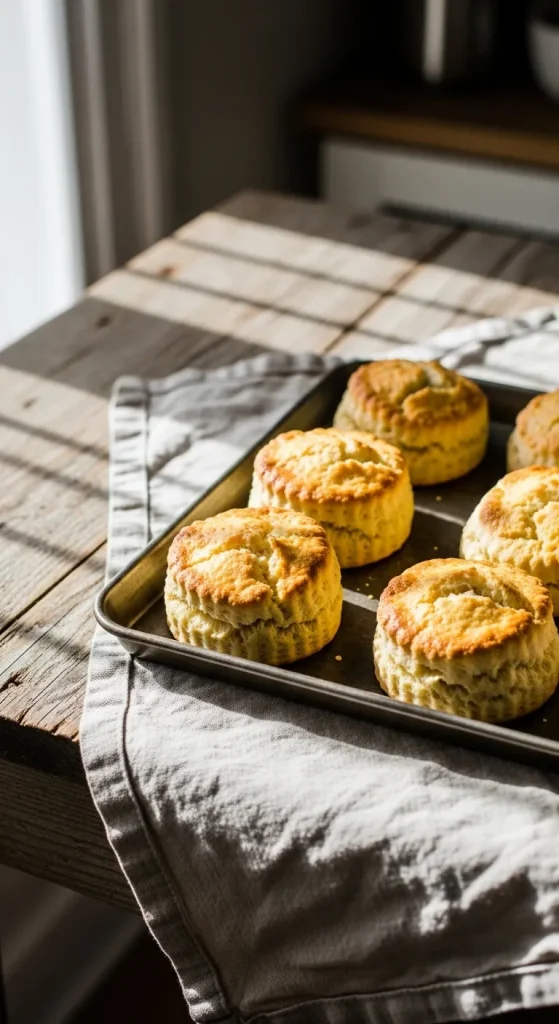
If you’ve ever wanted to recreate a traditional British tea-time treat, this english scones recipe is exactly what you need. These soft, buttery, and lightly crumbly delights are perfect for breakfast, brunch, or afternoon tea.
Many beginners struggle with dense or dry scones—but this guide solves that. With simple techniques and the right ingredients, you’ll learn how to make english scones recipe at home that are tall, fluffy, and perfectly golden every time.
Whether you enjoy them with jam, clotted cream, or butter, this recipe guarantees bakery-quality results right from your kitchen.
What is an English Scone?
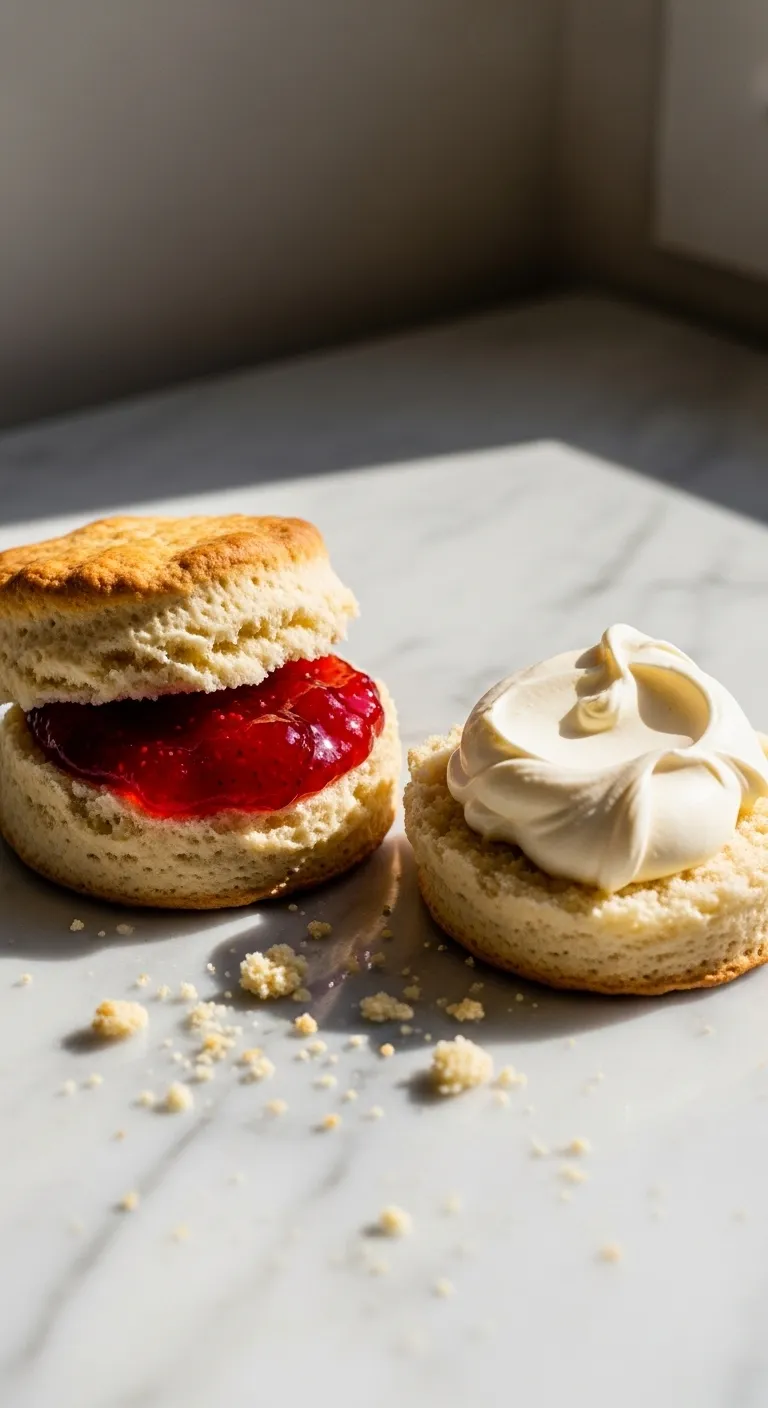
An English scone is a lightly sweetened baked good made with flour, butter, and milk, known for its soft interior and slightly crisp exterior. Traditionally served with tea, it’s split in half and topped with jam and cream.
Why You’ll Love This English Scones Recipe
- Quick and easy – ready in about 30 minutes
- Beginner-friendly – simple steps with foolproof results
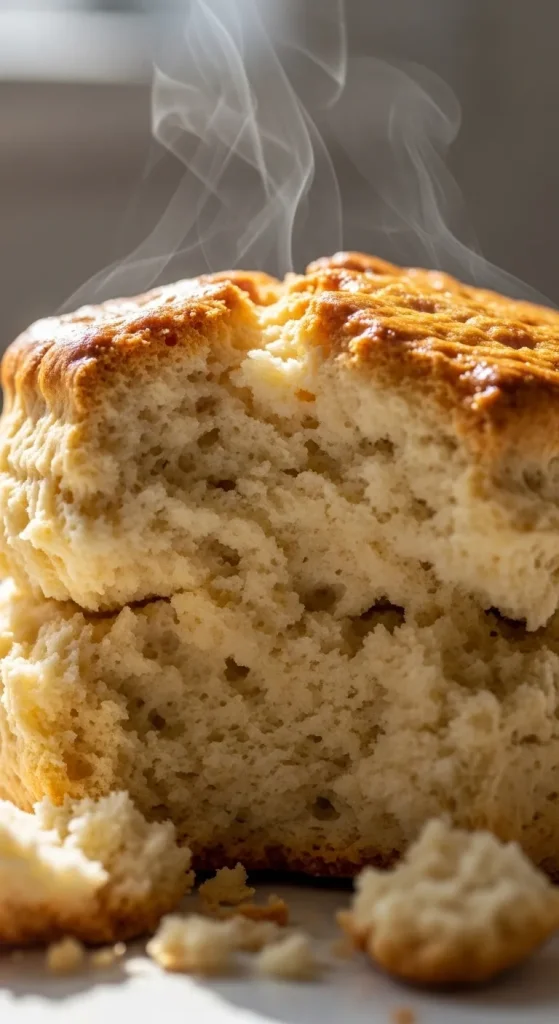
- Light and fluffy texture – not dense or dry
- Versatile – sweet or savory variations
- Perfect for tea-time or breakfast
Ingredients (Exact Measurements)
Dry Ingredients
- 2 cups (250g) all-purpose flour
- 1 tbsp baking powder
- 2 tbsp sugar
- ½ tsp salt
Wet Ingredients
- 5 tbsp (70g) cold unsalted butter (cubed)
- ¾ cup (180ml) milk (or buttermilk)
- 1 tsp vanilla extract (optional)
For Brushing
- 1 egg + 1 tbsp milk (egg wash)
Ingredient Notes
- Butter (cold): Creates flaky layers and tender crumb
- Milk/Buttermilk: Adds moisture and slight richness
- Baking powder: Responsible for rise and fluffiness
- Sugar: Light sweetness (can reduce for savory version)
Substitutions:
- Use plant-based milk for dairy-free version
- Replace butter with vegan butter
- Add raisins or currants for a traditional twist
Equipment Needed
- Mixing bowl
- Pastry cutter (or fork)
- Baking tray
- Parchment paper
- Round cutter (or glass)
- Pastry brush
How to Make English Scones Recipe
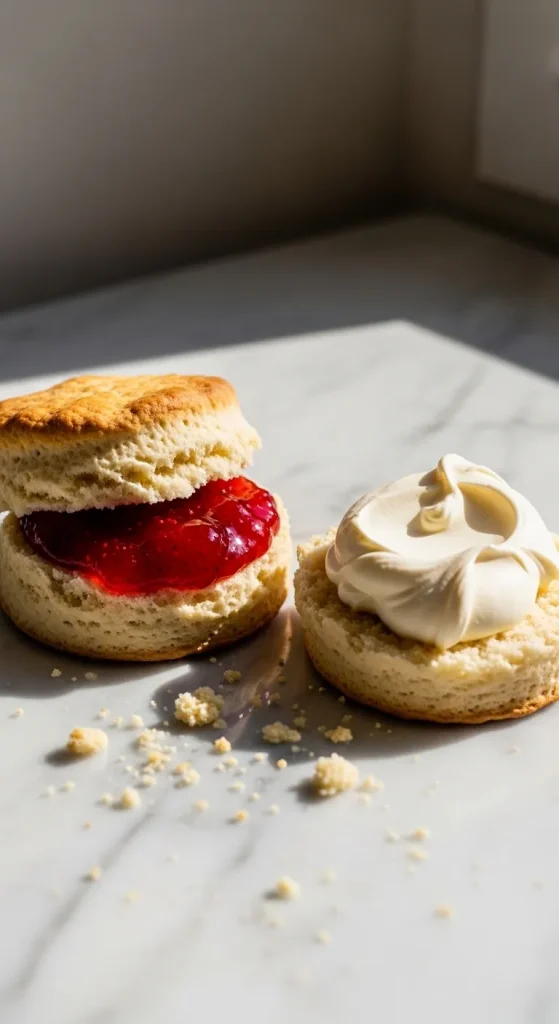
To make an english scones recipe, mix flour, butter, and milk into a soft dough, shape gently, cut into rounds, and bake at 200°C (400°F) for 12–15 minutes until golden.
Step-by-Step Instructions
1. Preheat & Prep
Preheat oven to 200°C (400°F). Line a baking tray with parchment paper.
2. Mix Dry Ingredients
In a bowl, whisk together:
- Flour
- Baking powder
- Sugar
- Salt
3. Rub in Butter
Add cold butter cubes and rub into the flour using your fingertips until it resembles coarse breadcrumbs.
4. Add Liquid
Pour in milk and vanilla. Mix gently until a soft dough forms—do not overmix.
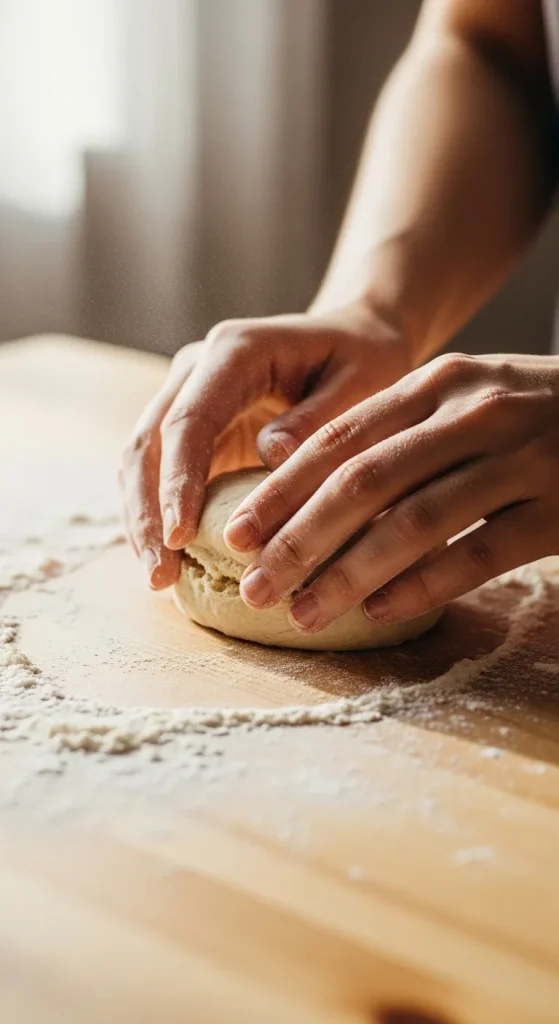
5. Shape the Dough
- Turn onto a floured surface
- Gently knead (just 2–3 times)
- Pat into a 1-inch thick round
6. Cut the Scones
Use a round cutter to cut shapes. Do not twist—this helps them rise evenly.
7. Brush & Bake
- Place on tray
- Brush tops with egg wash
- Bake for 18 minutes until golden and risen
8. Cool & Serve
Let cool slightly. Serve warm with jam and cream.
Pro Tips for Best Results
- Use cold butter for flaky texture
- Do not overwork the dough (keeps scones soft)
- Cut straight down (no twisting)
- Bake in a hot oven for proper rise
- Place scones close together for softer sides
Common Mistakes to Avoid
- Overmixing dough → dense scones
- Warm butter → flat texture
- Thin dough → no height
- Low oven temperature → poor rise
Substitutions & Variations
Healthy Version
- Use whole wheat flour (50% mix)
- Reduce sugar
Vegan Option
- Replace butter with vegan butter
- Use almond or oat milk
Savory Scones
- Skip sugar
- Add cheese, herbs, or garlic
Quick 20-Minute Version
- Use self-rising flour
- Skip resting time
Meal Prep Idea
- Freeze unbaked scones
- Bake fresh when needed
Storage Instructions
- Store in airtight container at room temperature for 2 days
- Refrigerate for up to 5 days
- Freeze for up to 2 months
Reheating Instructions
- Oven: 160°C (320°F) for 5–7 minutes
- Microwave: 10–15 seconds (softens quickly)
Serving Suggestions
- Classic: jam + clotted cream
- With butter and honey
- Paired with tea or coffee
- As a breakfast sandwich base
Nutritional Overview
Per scone:
- Calories: 180–220
- Carbs: 25g
- Fat: 8g
- Protein: 4g
Frequently Asked Questions
1. How to make english scones recipe at home?
Mix flour, butter, and milk into a soft dough, shape, cut, and bake at high heat until golden and fluffy.
2. Why are my scones not fluffy?
Overmixing or warm butter can make scones dense instead of light and airy.
3. Can I make english scones without butter?
Yes, use margarine or vegan butter for similar texture.
4. What is the difference between British and American scones?
British scones are lighter and less sweet, while American versions are denser and often flavored.
5. Can I freeze scone dough?
Yes, freeze cut scones and bake directly from frozen with a few extra minutes.
6. What flour is best for scones?
All-purpose flour works best for a balanced texture.
Conclusion
This english scones recipe is the perfect combination of simplicity and authenticity. With just a few ingredients and the right technique, you can create soft, fluffy, bakery-style scones at home.
Whether you’re preparing a traditional tea or a quick breakfast, mastering this recipe ensures consistent, delicious results every time. Once you try it, it will become a staple in your kitchen.
Scone Baking Tips
Keep the Butter Cold
Cold butter is non-negotiable. It creates the steam pockets that make scones tall and flaky. If your kitchen is warm, cube the butter and chill it again before mixing — and work quickly.
Don’t Overwork the Dough
Mix just until the dough comes together. Overworking develops gluten and turns tender scones tough and dense. A shaggy, slightly sticky dough is exactly right.
Cut Tall, Don’t Twist
Pat the dough at least 1 inch thick and cut straight down without twisting the cutter. Twisting seals the edges and stops the scones from rising tall.
Scone Variations
Fruit Scones
Fold in a handful of raisins, dried cranberries, or fresh blueberries with the flour. Toss the fruit in a spoonful of flour first so it doesn’t sink.
Cheese Scones
Omit the sugar, add a cup of sharp cheddar and a pinch of mustard powder. Savory, golden, and wonderful warm with butter.
Whole Wheat Scones
Replace half the all-purpose flour with whole wheat flour for a nuttier, heartier scone. Add an extra splash of milk since whole wheat absorbs more liquid.
Why are my scones dense instead of fluffy?
The usual causes: butter that was too warm, overworked dough, or dough rolled too thin. Keep everything cold, handle the dough minimally, cut it tall, and make sure your baking powder is fresh.
Can I freeze scones?
Yes — both baked and unbaked. Freeze baked scones in a sealed bag for up to 3 months and refresh in a hot oven. Or freeze cut, unbaked scones on a tray, then bag them; bake straight from frozen, adding 2 to 3 minutes.

English Scones Recipe
Ingredients
Equipment
Method
- Preheat & Prep
- Preheat oven to 200°C (400°F). Line a baking tray with parchment paper.
- Mix Dry Ingredients
- In a bowl, whisk together:
- Flour
- Baking powder
- Sugar
- Salt
- Rub in Butter
- Add cold butter cubes and rub into the flour using your fingertips until it resembles coarse breadcrumbs.
- Add Liquid
- Pour in milk and vanilla. Mix gently until a soft dough forms—do not overmix.
- Shape the Dough
- Turn onto a floured surface
- Gently knead (just 2–3 times)
- Pat into a 1-inch thick round
- Cut the Scones
- Use a round cutter to cut shapes. Do not twist—this helps them rise evenly.
- Brush & Bake
- Place on tray
- Brush tops with egg wash
- Bake for 18 minutes until golden and risen
- Cool & Serve
- Let cool slightly. Serve warm with jam and cream.
- Pro Tips for Best Results
- Use cold butter for flaky texture
- Do not overwork the dough (keeps scones soft)
- Cut straight down (no twisting)
- Bake in a hot oven for proper rise
- Place scones close together for softer sides


