Go Back
admin

Pierogi Dough

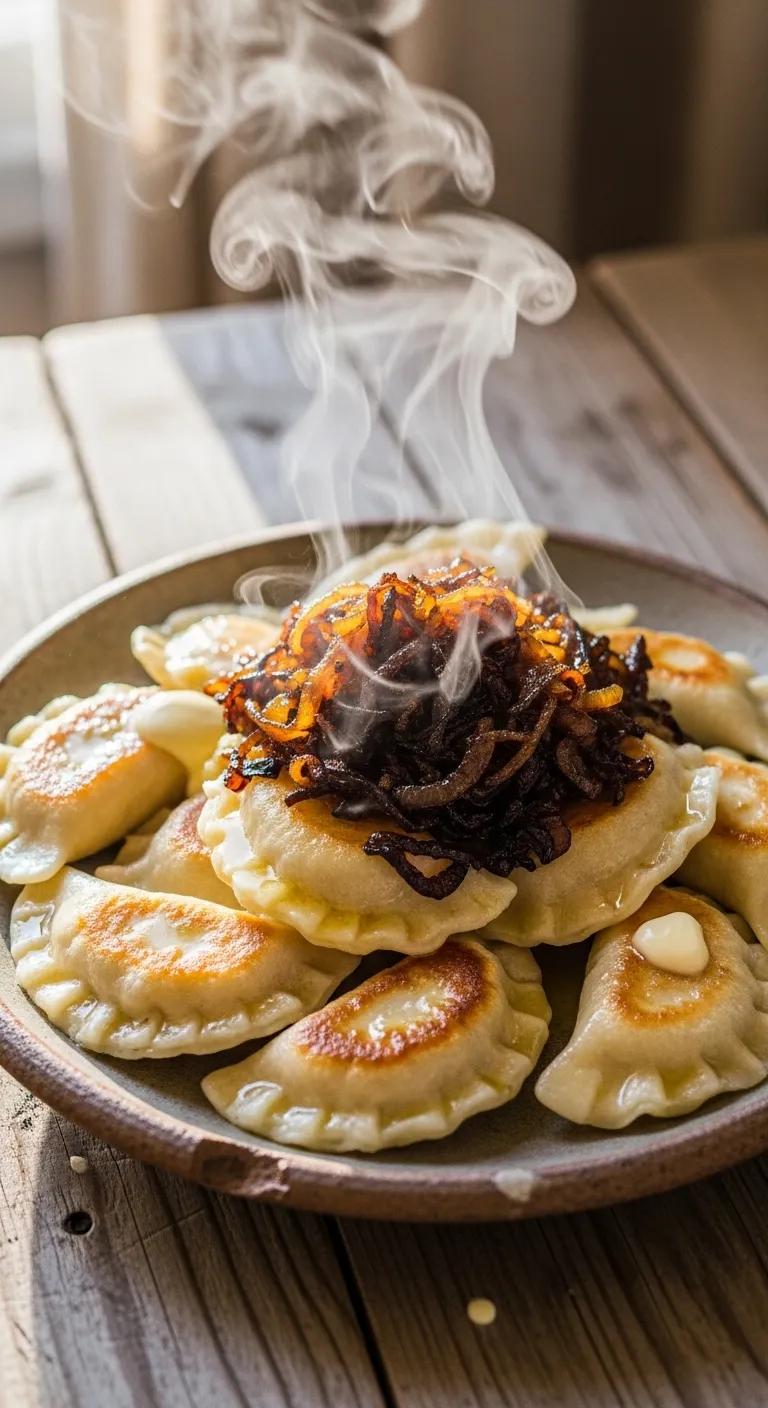
Pierogi are one of the most beloved comfort foods in Eastern European cuisine. These soft dumplings are filled with everything from creamy potatoes and cheese to sweet fruits. But the secret to truly delicious pierogi isn’t just the filling—it’s the perfect pierogi dough recipe. If you’ve ever wondered how to make pierogi dough from scratch, you’ll be happy to know that it’s surprisingly simple. With just a handful of pantry staples, you can create a dough that is soft, flexible, and easy to roll—ideal for forming delicate dumplings that cook up tender and flavorful. In this guide, you’ll learn the best pierogi dough recipe for beginners, including step-by-step instructions, expert tips, and common mistakes to avoid. Whether you're preparing traditional potato pierogi, sweet fruit pierogi, or planning a meal prep batch, this foolproof dough recipe will give you authentic results every time. What Is Pierogi Dough? Pierogi dough is a simple dumpling dough traditionally made with flour, eggs, water, and sometimes sour cream or butter. Unlike pasta dough, pierogi dough is softer and more elastic, which helps it seal easily around fillings without tearing during boiling. The goal of a good pierogi dough is to create dumplings that are: Soft but sturdy Easy to roll thin Tender after boiling Flexible enough to seal around fillings When made correctly, the dough produces pillowy dumplings with delicate texture and rich flavor. Why You’ll Love This Pierogi Dough Recipe There are many variations of dumpling dough, but this version stands out for its balance of texture and simplicity. Reasons this recipe works perfectly: Beginner-friendly method Only a few basic ingredients Soft and elastic dough texture Easy to roll thin without tearing Works with savory or sweet fillings Great for freezing and meal prep
Prep Time 20 minutes
Cook Time 10 minutes
Total Time 30 minutes
Servings: 24

Ingredients
  

  • 2 cups all-purpose flour 250 g
  • 1 large egg
  • ½ cup warm water 120 ml
  • 1 tablespoon vegetable oil or melted butter
  • ½ teaspoon salt
  • Optional: 2 tablespoons sour cream for extra softness

Equipment

  • You don’t need special tools to make homemade pierogi dough.
  • Helpful kitchen tools include:
  • Large mixing bowl
  • Rolling Pin
  • Measuring cups and spoons
  • Dough cutter or round glass
  • Clean work surface
  • Fork for sealing edges
  • Large pot (for boiling)

Method
 

  1. Step 1: Mix the Dry Ingredients
  2. In a large bowl:
  3. Add flour and salt
  4. Stir to distribute evenly
  5. This ensures balanced flavor and texture throughout the dough.
  6. Step 2: Add Wet Ingredients
  7. Create a small well in the flour and add:
  8. Egg
  9. Warm water
  10. Oil or melted butter
  11. Mix gently using a fork or your hands until a shaggy dough forms.
  12. Step 3: Knead the Dough
  13. Transfer the dough onto a lightly floured surface.
  14. Knead for 5–7 minutes until:
  15. Smooth
  16. Soft
  17. Slightly elastic
  18. Proper kneading develops gluten, which gives pierogi dough flexibility.
  19. Step 4: Let the Dough Rest
  20. Cover the dough with:
  21. Plastic wrap
  22. or
  23. A clean kitchen towel
  24. Let it rest for 20–30 minutes.
  25. Resting relaxes the gluten and makes rolling much easier.
  26. Step 5: Roll the Dough
  27. Roll the dough on a lightly floured surface until it is about:
  28. 1/8 inch thick (3 mm).
  29. Thin dough produces delicate pierogi with a perfect filling-to-dough ratio.
  30. Step 6: Cut Dough Circles
  31. Use:
  32. A round cutter
  33. or
  34. A drinking glass
  35. Cut 3–4 inch circles.
  36. Place filling in the center of each circle.
  37. Step 7: Seal the Pierogi
  38. Fold the dough over the filling to create a half-moon shape.
  39. Press edges firmly and crimp with a fork for a tight seal.
  40. Step 8: Cook the Pierogi
  41. Bring a pot of salted water to a boil.
  42. Cook pierogi for 3–4 minutes, or until they float to the surface.
  43. Optional: sauté in butter afterward for crispy edges

Notes

Professional cooks use these tips to achieve ideal dumpling texture.
Key tips:
Rest the dough for at least 20 minutes
Keep dough covered to prevent drying
Roll dough evenly for consistent cooking
Avoid over-flouring the surface
Seal edges tightly to prevent leaks
Work in small batches
These simple techniques produce soft, tender dumplings with perfectly sealed edges.