
Ezekiel Bread Recipe with Sprouted Grains
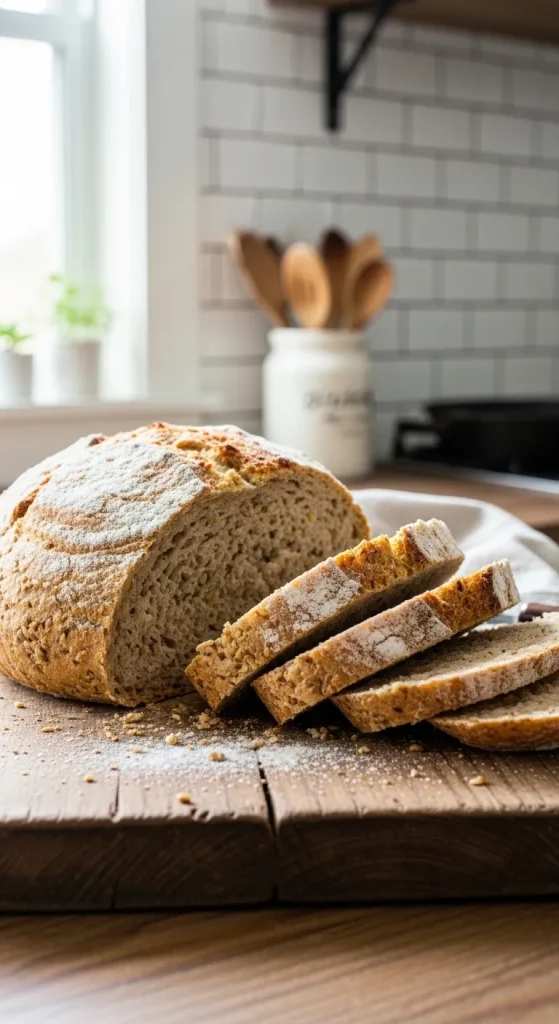
This ezekiel bread recipe is a wholesome, hearty loaf made from sprouted grains and legumes. Inspired by ancient biblical traditions, it combines wheat, barley, lentils, millet, and beans into one dense, nutritious bread.
Unlike standard white bread, homemade Ezekiel bread uses whole sprouted grains. The result is a slightly nutty flavor, firm texture, and satisfying chew. Many people call it “bible bread” because it is inspired by a verse in the Old Testament.
If you’ve ever searched for a recipe for ezekiel bread with sprouted grains or wondered how to make homemade ezekiel bread from scratch, this detailed guide will walk you through every step.
Why You’ll Love This Recipe
- Made with sprouted grains for deep flavor
- High-fiber, hearty texture
- No refined flour
- Naturally rich and filling
- Freezer-friendly and great for meal prep
- Can be adapted as a bread machine Ezekiel bread recipe
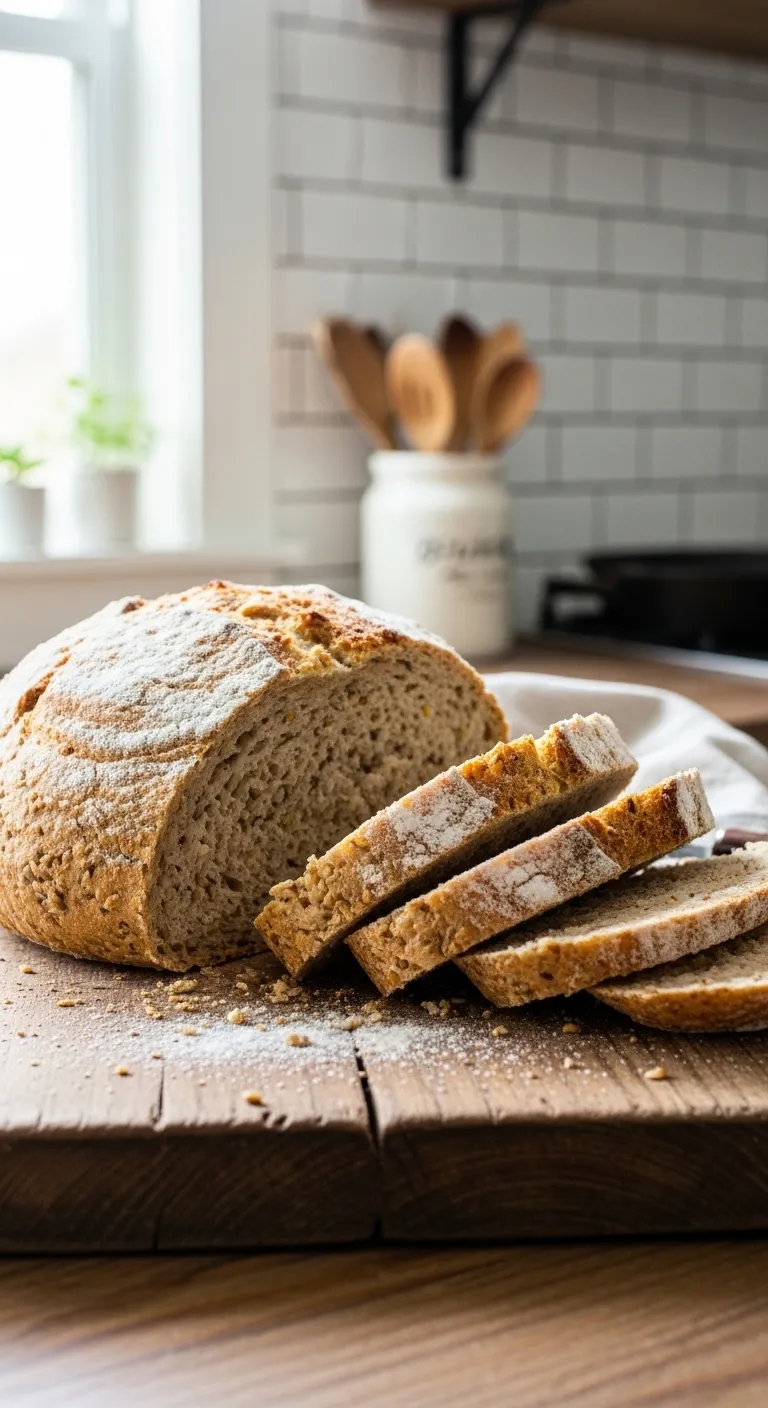
This bread is slightly dense, moist inside, and forms a firm crust when baked properly. It’s perfect for toast, sandwiches, or served warm with olive oil.
Ingredients (Makes 2 medium loaves)
For Sprouting:
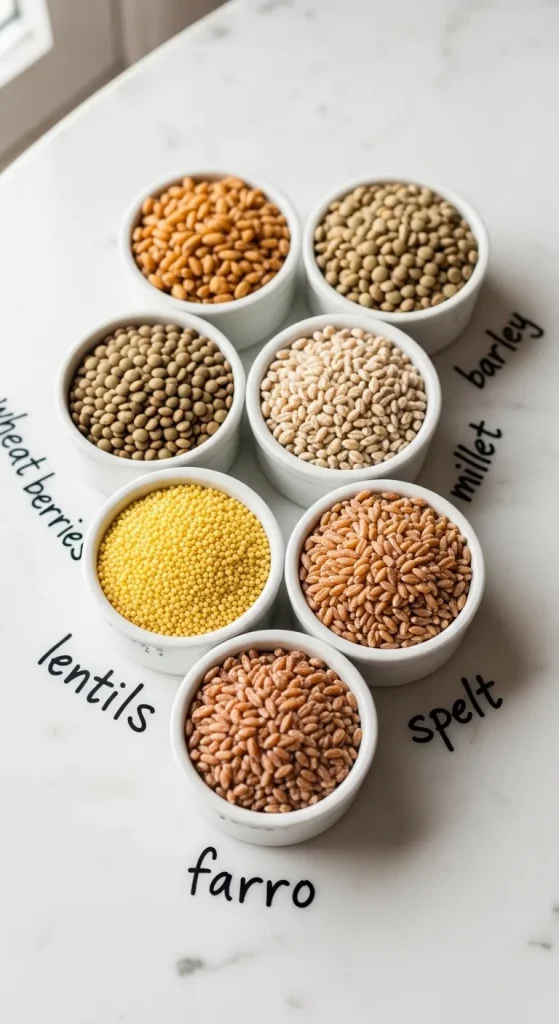
- 2 cups hard red wheat berries
- ½ cup barley
- ½ cup spelt berries
- ¼ cup millet
- ¼ cup green lentils
- 2 tablespoons dried great northern beans or pinto beans
For Dough:
- 2¼ teaspoons active dry yeast
- 1½ cups warm water (110°F / 43°C)
- 2 tablespoons honey or date syrup
- 2 tablespoons olive oil
- 1½ teaspoons salt
Note: Grains must be whole and suitable for sprouting.
Equipment

- Large glass bowl
- Fine mesh strainer
- Clean kitchen towel
- Food processor or high-powered blender
- Stand mixer (optional but helpful)
- Two 8×4-inch loaf pans
- Oven
Step-by-Step Instructions
Step 1: Soak the Grains
Rinse all grains and legumes thoroughly. Place them in a large bowl and cover with water. Soak for 8–12 hours.
Drain and rinse well.
Step 2: Sprout the Grains
Spread grains in a colander or sprouting tray. Cover loosely with a towel. Rinse and drain every 8 hours.
Sprouts should appear within 24–48 hours. Tiny white tails are ideal. Do not let them grow too long.
Step 3: Grind the Sprouted Grains
Transfer sprouted grains into a food processor. Pulse until a thick, sticky dough forms. It should resemble coarse paste, not flour.
This is the key difference in a true homemade ezekiel bread.
Step 4: Activate Yeast
In a small bowl, combine warm water, honey, and yeast. Let sit for 5–10 minutes until foamy.
Step 5: Mix the Dough
Add ground grain paste, yeast mixture, olive oil, and salt into a large bowl. Mix well. Knead for about 8–10 minutes (by hand or mixer).
The dough will feel heavier than white bread dough.
Step 6: First Rise
Place dough in a greased bowl. Cover and let rise in a warm place for 60–90 minutes, or until slightly puffy (it will not double dramatically).
Step 7: Shape and Second Rise
Divide dough into two greased loaf pans. Smooth the tops with wet hands.
Let rise again for 30–45 minutes.
Step 8: Bake
Preheat oven to 375°F (190°C).
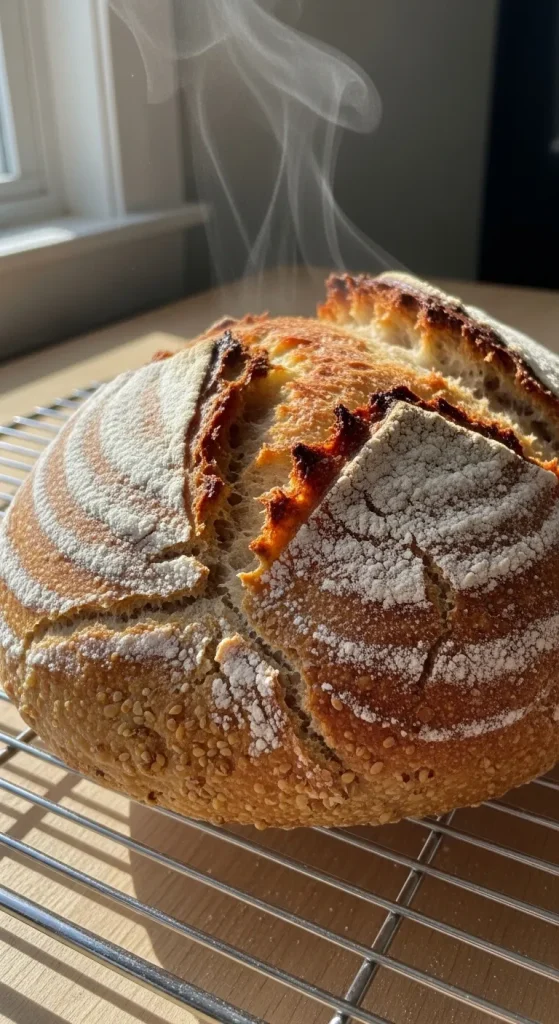
Bake for 40–45 minutes until the crust is firm and golden brown. Internal temperature should reach about 190°F (88°C).
Cool completely before slicing. This prevents gumminess.
Tips for Best Results
- Do not over-sprout grains; short sprouts prevent bitterness.
- Ensure proper draining to avoid sour smell.
- If dough feels too wet, add 1–2 tablespoons whole wheat flour.
- Cool fully before cutting. Warm slicing may compress the crumb.
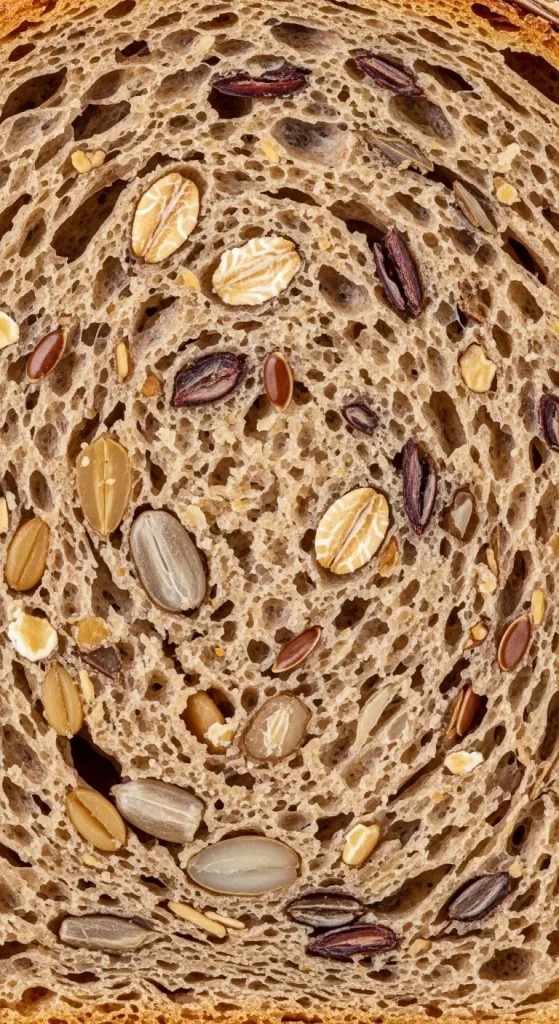
Texture cues: The finished loaf should feel firm, slightly moist, and dense but not gummy.
Substitutions & Variations
- Replace spelt with kamut if available.
- Add 2 tablespoons flaxseeds for nutty flavor.
- For a bread machine Ezekiel bread recipe, use the dough setting first, then bake cycle.
- Reduce honey for a more savory loaf.
Avoid skipping legumes — they’re part of the traditional blend.
Storage & Serving Suggestions
- Store at room temperature in airtight container for 3 days.
- Refrigerate up to 1 week.
- Freeze sliced for up to 3 months.
Serving ideas:
- Toast with almond butter
- Use for avocado toast
- Make hearty sandwiches
- Serve with soup or lentil stew
Because it’s dense, it toasts beautifully and holds toppings well.
Brief Nutritional Note
Ezekiel bread is made from whole sprouted grains and legumes. Sprouting may improve digestibility and texture compared to unsprouted grains.
However, this bread is not gluten-free.
Does Ezekiel bread have gluten?
Yes. Since it contains wheat, barley, and spelt, it contains gluten. It is not suitable for individuals with celiac disease.
Frequently Asked Questions
Conclusion
This ezekiel bread recipe brings ancient grain tradition into your modern kitchen. Made with sprouted grains and legumes, it produces a hearty, nutty loaf with deep flavor and satisfying texture.
With careful sprouting, proper kneading, and full cooling time, you’ll create authentic homemade ezekiel bread that’s perfect for toast, sandwiches, or wholesome meals.
Once you master the process, you’ll appreciate why this biblical-style bread remains popular today.
Ezekiel Bread Tips
Sprout the Grains Properly
Soak the grains until they just begin to sprout — you want tiny tails, not full sprouts. Proper sprouting is what gives Ezekiel bread its nutrition and texture.
Grind Fresh
Grind the sprouted grains right before mixing. Fresh-ground flour has more flavor and better nutrition than flour ground days ago.
Don’t Rush the Rise
This is a dense, hearty dough and it rises slowly. Give it the full time — a rushed rise gives a brick-like loaf instead of a chewy one.
Ezekiel Bread Variations
Honey Ezekiel Bread
Add 2 tablespoons of honey to the dough for a touch of sweetness. It balances the earthy grains beautifully.
Seeded Ezekiel Bread
Roll the shaped loaf in sunflower and pumpkin seeds before baking. The seeds add crunch and extra nutrition.
Ezekiel Dinner Rolls
Divide the dough into rolls and bake for 20 to 25 minutes. Same great flavor in a perfect single-serving size.
Is Ezekiel bread healthier than regular bread?
It’s more nutritious per slice — sprouted grains and legumes provide more protein, fiber, and vitamins than refined white flour. It’s still a carbohydrate-rich food, so portion size matters.
Can I make Ezekiel bread without a grain mill?
A powerful blender can grind sprouted grains in small batches, though it’s slower than a mill. Work in short bursts so the grains don’t heat up and turn gummy.
Ezekiel Bread Recipe
Ingredients
Equipment
Method
- Step 1: Soak the Grains
- Rinse all grains and legumes thoroughly. Place them in a large bowl and cover with water. Soak for 8–12 hours.
- Drain and rinse well.
- Step 2: Sprout the Grains
- Spread grains in a colander or sprouting tray. Cover loosely with a towel. Rinse and drain every 8 hours.
- Sprouts should appear within 24–48 hours. Tiny white tails are ideal. Do not let them grow too long.
- Step 3: Grind the Sprouted Grains
- Transfer sprouted grains into a food processor. Pulse until a thick, sticky dough forms. It should resemble coarse paste, not flour.
- This is the key difference in a true homemade ezekiel bread.
- Step 4: Activate Yeast
- In a small bowl, combine warm water, honey, and yeast. Let sit for 5–10 minutes until foamy.
- Step 5: Mix the Dough
- Add ground grain paste, yeast mixture, olive oil, and salt into a large bowl. Mix well. Knead for about 8–10 minutes (by hand or mixer).
- The dough will feel heavier than white bread dough.
- Step 6: First Rise
- Place dough in a greased bowl. Cover and let rise in a warm place for 60–90 minutes, or until slightly puffy (it will not double dramatically).
- Step 7: Shape and Second Rise
- Divide dough into two greased loaf pans. Smooth the tops with wet hands.
- Let rise again for 30–45 minutes.
- Step 8: Bake
- Preheat oven to 375°F (190°C).
- Bake for 40–45 minutes until the crust is firm and golden brown. Internal temperature should reach about 190°F (88°C).
- Cool completely before slicing. This prevents gumminess.


