Ingredients
Equipment
Method
- Step 1: Soak the Grains
- Rinse all grains and legumes thoroughly. Place them in a large bowl and cover with water. Soak for 8–12 hours.
- Drain and rinse well.
- Step 2: Sprout the Grains
- Spread grains in a colander or sprouting tray. Cover loosely with a towel. Rinse and drain every 8 hours.
- Sprouts should appear within 24–48 hours. Tiny white tails are ideal. Do not let them grow too long.
- Step 3: Grind the Sprouted Grains
- Transfer sprouted grains into a food processor. Pulse until a thick, sticky dough forms. It should resemble coarse paste, not flour.
- This is the key difference in a true homemade ezekiel bread.
- Step 4: Activate Yeast
- In a small bowl, combine warm water, honey, and yeast. Let sit for 5–10 minutes until foamy.
- Step 5: Mix the Dough
- Add ground grain paste, yeast mixture, olive oil, and salt into a large bowl. Mix well. Knead for about 8–10 minutes (by hand or mixer).
- The dough will feel heavier than white bread dough.
- Step 6: First Rise
- Place dough in a greased bowl. Cover and let rise in a warm place for 60–90 minutes, or until slightly puffy (it will not double dramatically).
- Step 7: Shape and Second Rise
- Divide dough into two greased loaf pans. Smooth the tops with wet hands.
- Let rise again for 30–45 minutes.
- Step 8: Bake
- Preheat oven to 375°F (190°C).
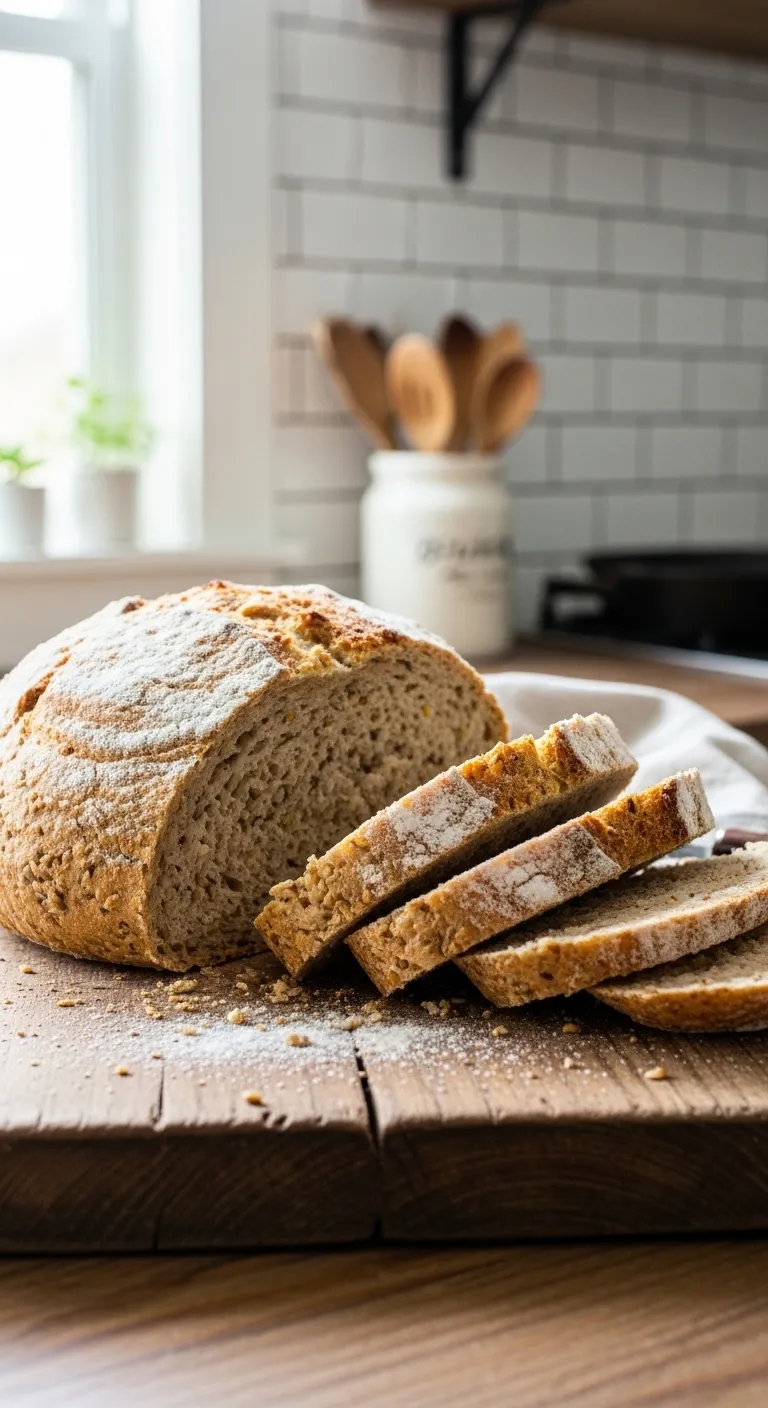
- Bake for 40–45 minutes until the crust is firm and golden brown. Internal temperature should reach about 190°F (88°C).
- Cool completely before slicing. This prevents gumminess.
Notes
Do not over-sprout grains; short sprouts prevent bitterness.
Ensure proper draining to avoid sour smell.
If dough feels too wet, add 1–2 tablespoons whole wheat flour.
Cool fully before cutting. Warm slicing may compress the crumb.
Texture cues: The finished loaf should feel firm, slightly moist, and dense but not gummy.
Substitutions & Variations
Replace spelt with kamut if available.
Add 2 tablespoons flaxseeds for nutty flavor.
For a bread machine Ezekiel bread recipe, use the dough setting first, then bake cycle.
Reduce honey for a more savory loaf.
Avoid skipping legumes — they’re part of the traditional blend.